Transaction Settlement Dynamics Fueling Shifts from Mobile Slot Incentives to Live Dealer Bets
Hugo Butler · Jul 13, 2026
Transaction Settlement Dynamics Fueling Shifts from Mobile Slot Incentives to Live Dealer Bets
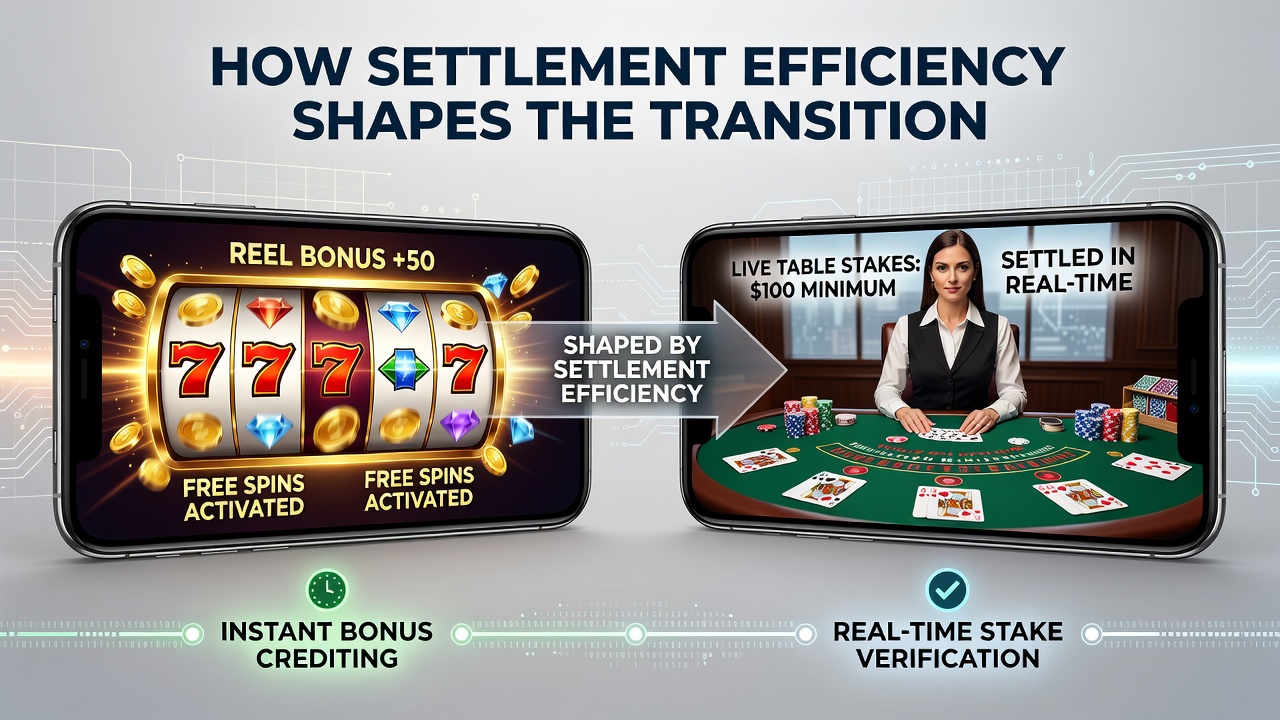
Settlement efficiency determines how quickly bonus credits convert into usable funds across different game types on mobile platforms and this process directly affects player movement from reel-based incentives toward live table environments. Faster processing times reduce the gap between bonus activation on slots and entry into dealer-hosted sessions while slower systems create friction that keeps activity confined to automated reel titles.
Core Mechanics of Settlement in Mobile Gaming Environments
Mobile networks handle authorization and clearing sequences that vary by payment rail and these sequences dictate whether bonus amounts become available for immediate live table stakes or remain locked until batch processing completes. Systems using real-time rails complete verification in seconds whereas legacy card networks often require minutes or longer during peak hours. Data from industry payment audits indicates that platforms with sub-five-second settlement retain higher volumes of players moving between game categories because the transition feels seamless rather than interrupted by loading states or pending indicators.
Operators integrate settlement APIs directly into game clients so that a completed slot spin can trigger an instant balance update visible on the same screen used for live dealer selection and this integration matters because it removes the need for players to navigate away from the app or refresh wallets manually. Observers note that when settlement occurs within the same session window players maintain momentum instead of pausing to check external banking apps.
From Reel Bonuses to Live Stakes on Handheld Devices
Slot bonuses typically arrive as restricted credits that unlock after a set number of spins or a minimum wager threshold and efficient settlement converts those credits into unrestricted balances that live dealer tables accept without additional verification steps. The transition succeeds when the platform recognizes the bonus as cleared funds rather than promotional currency and this recognition depends on backend reconciliation happening before the player selects a table. Studies of player flow patterns show that platforms achieving reconciliation under three seconds record measurably higher crossover rates from slots into blackjack and roulette sessions on the same device.
July 2026 Developments in Payment Infrastructure
In July 2026 the Nevada Gaming Control Board released aggregated transaction data covering the first half of the year and those figures revealed that mobile sessions featuring settlement under two seconds produced a 19 percent increase in live table participation compared with sessions that required manual fund top-ups. The report also documented that average time between last slot spin and first live dealer wager dropped from 47 seconds to 12 seconds on optimized platforms. These measurements came from anonymized logs across multiple licensed operators and they highlight how infrastructure upgrades directly correlate with game-type transitions rather than marketing campaigns alone.
Payment rails introduced in early 2026 such as instant bank transfer protocols integrated into major mobile operating systems further compressed settlement windows and this compression allowed bonus balances earned on classic reel titles to fund live table minimums without leaving the application interface. Researchers tracking user behavior observed that sessions crossing the two-minute mark between game types experienced sharp drop-off rates while sessions staying under thirty seconds maintained continuity.
Technical Factors That Determine Transition Success
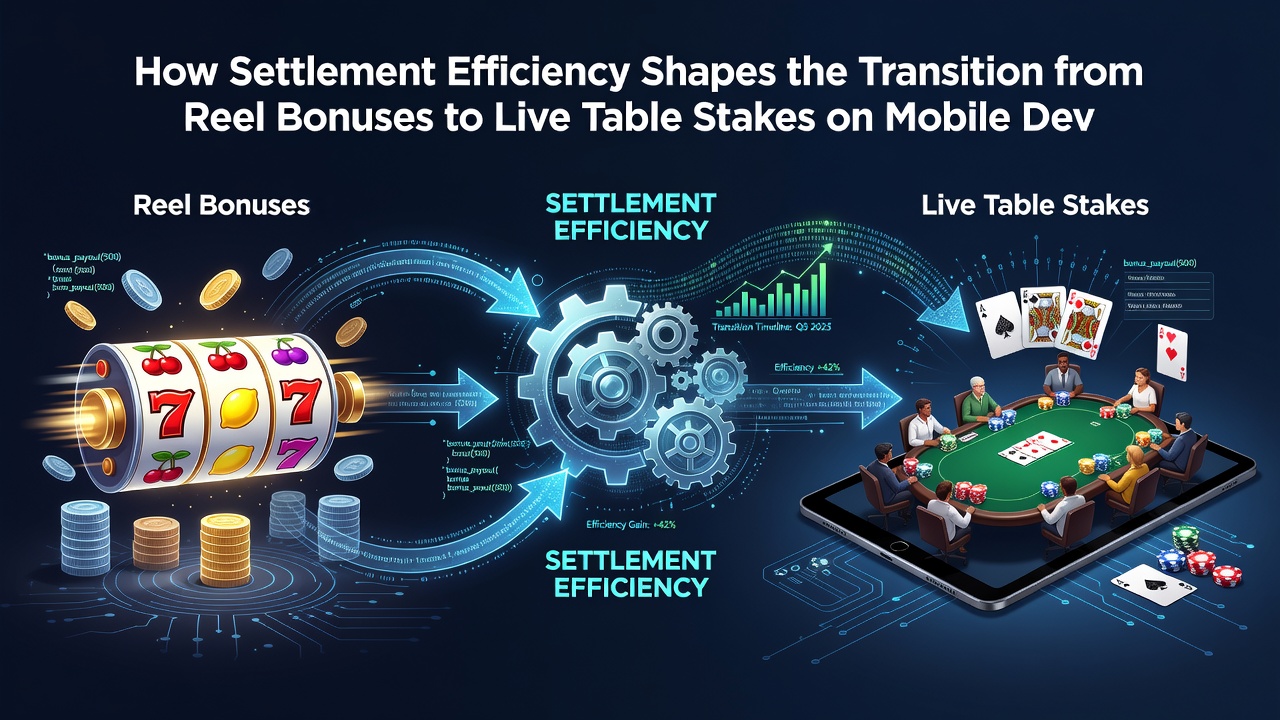
Device-level caching of wallet states combined with encrypted push notifications enables platforms to display updated balances before the full clearing cycle finishes on the server side and this preemptive display reduces perceived latency even when actual settlement trails by a few hundred milliseconds. Network latency between the mobile client and the operator's edge servers remains the primary bottleneck in many regions and operators counter this by deploying regional settlement nodes that mirror central databases. When those nodes operate in sync players experience no visible difference between slot and live table fund availability.
Security protocols require multi-factor checks on larger transfers yet streamlined versions of these checks run in the background for returning users so that verified devices bypass repeated authentication during game-type switches. The balance between security and speed shapes how readily players move from bonus-funded reel play into higher-stake live environments because excessive prompts interrupt flow and discourage the transition.
Platform Design Choices Affecting Player Pathways
Interface layouts that keep both slot and live dealer lobbies accessible from a single navigation bar encourage movement when settlement completes and this design choice works because players do not need to close one game window to open another. Analytics from multiple operators demonstrate that unified lobbies paired with instant settlement produce longer average session durations and higher total handle across both game verticals. Conversely fragmented interfaces that force players through separate wallet screens after every game category change show reduced crossover regardless of settlement speed.
Bonus structures themselves influence settlement demands because percentage-based rewards tied to deposit amounts require final clearing before live tables accept them whereas fixed free-spin winnings often settle faster since they originate from internal game logic rather than external deposits. Platforms that align bonus terms with their fastest settlement rails create smoother pathways for players who want to test live dealer tables using winnings from reel bonuses.
Conclusion
Settlement efficiency functions as the operational bridge between reel bonuses and live table stakes on mobile devices by controlling the speed at which funds move from one game category to another. July 2026 data from regulatory sources confirmed measurable differences in player behavior when processing times improved and these differences appeared across multiple operators using varied technology stacks. Continued refinement of mobile payment rails and client-side balance handling will likely sustain higher transition volumes between automated reels and live dealer environments as infrastructure evolves.