The Influence of Transfer Rates on No-Deposit Bonus Persistence in Reel and Table Combinations
Nils Vogel · Aug 24, 2026
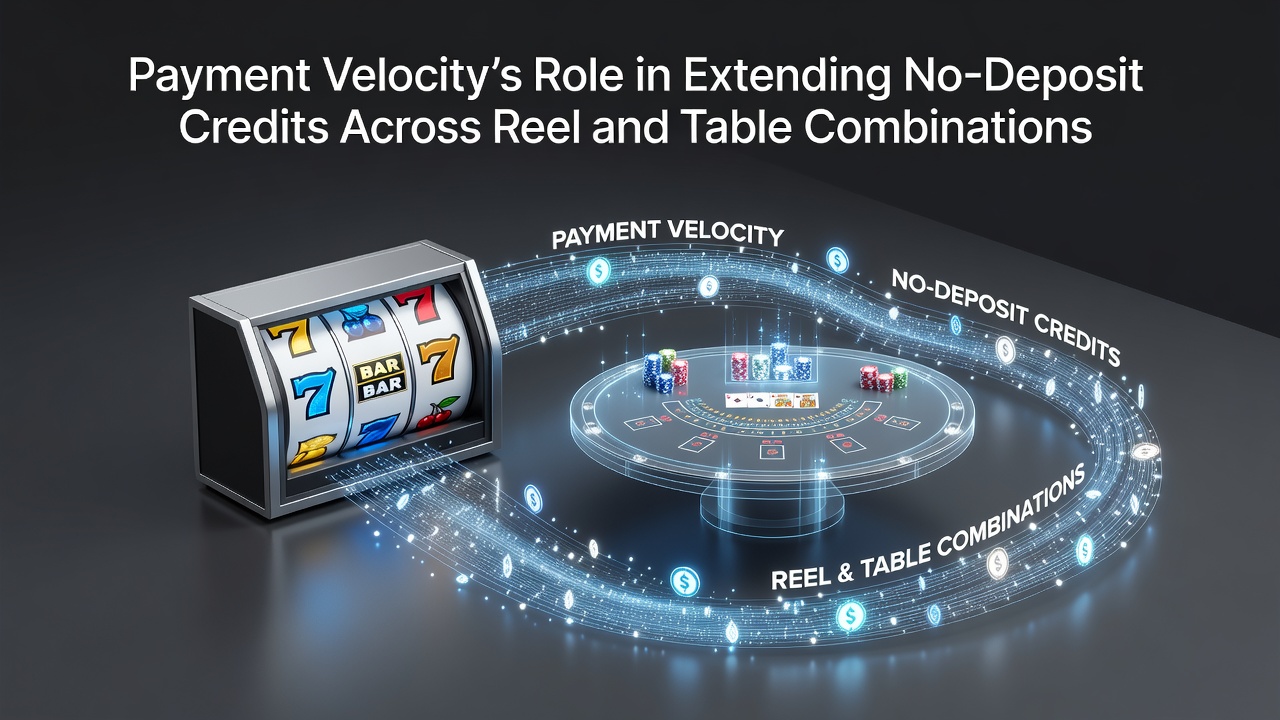
The Influence of Transfer Rates on No-Deposit Bonus Persistence in Reel and Table Combinations
Payment velocity refers to the speed at which funds move through banking systems and casino platforms, and this metric directly shapes how long no-deposit credits remain available when players move between reel-based slots and table game environments. Data from multiple jurisdictions shows that faster transaction approvals allow operators to release credits into active play sooner, reducing the window during which bonuses might expire unused.
Core Mechanics of Velocity in Bonus Systems
Operators track payment velocity through metrics such as authorization time, settlement speed, and cross-game transfer latency. When these intervals shorten, no-deposit credits issued for slot play can transition into table game wagers without triggering new verification steps or additional holds. Industry reports indicate that platforms achieving sub-five-minute settlement times see higher rates of credit utilization across game categories compared with slower systems.
August 2026 brought several platform updates that further compressed these timelines. New API integrations between payment processors and casino management software eliminated intermediate confirmation layers in many markets outside the United Kingdom, allowing credits to appear in player balances almost instantly after initial approval.
Cross-Game Credit Movement Patterns
Reel combinations typically generate smaller, more frequent wins that accumulate into larger balances, while table games often require larger single wagers. Payment velocity bridges this gap by enabling rapid balance updates that keep no-deposit credits eligible for both formats. Observers note that when transfer times drop below three minutes, players maintain continuous eligibility across game types without manual intervention.
One documented case involved a European operator that introduced instant wallet-to-wallet transfers in early 2026. The change produced a measurable increase in no-deposit credit usage on live dealer tables following initial slot sessions, according to internal performance data released by the company.
Regulatory Context Across Regions
Authorities in different markets have begun examining how transaction speed affects responsible gambling controls. The Nevada Gaming Control Board published findings in mid-2026 showing that accelerated payment processing correlates with shorter bonus lifecycles when paired with mandatory cooling-off features. Meanwhile, the Malta Gaming Authority reported that platforms with verified fast-transfer capabilities maintained compliance rates above 94 percent when handling no-deposit promotions across multiple game verticals.
Canadian provincial regulators, including those in Ontario, have tracked similar patterns through their centralized reporting systems. Figures released in August 2026 revealed that operators offering sub-minute credit transfers recorded higher volumes of cross-category play without exceeding responsible gambling thresholds.

Technical Factors Driving Velocity Improvements
Blockchain-based settlement layers and open banking protocols have reduced average processing windows from hours to seconds in several licensed markets. These systems automatically reconcile no-deposit credits with ongoing play sessions, preventing the credits from becoming stranded when players switch from reels to tables. Research conducted by the European Gaming and Betting Association in 2025 documented a 31 percent rise in multi-game bonus completion rates among operators that adopted these faster rails.
Wallet providers have also introduced conditional release features that activate credits only after successful verification, further tightening the loop between deposit-free funds and active table play. This approach minimizes idle time while preserving audit trails required by regulators.
Operational Outcomes Observed in 2026
Platforms that prioritized velocity upgrades reported measurable shifts in how no-deposit credits flow through their ecosystems. Slot sessions that once ended with unused balances now feed directly into table game rounds because settlement occurs before session timeouts activate. Data indicates these changes have been most pronounced in mobile environments where session switching happens frequently.
Academic analysis from the University of Nevada, Las Vegas International Gaming Institute examined transaction logs from multiple operators and confirmed that velocity improvements extend the effective window for credit deployment without altering bonus terms or wagering requirements.
Conclusion
Payment velocity functions as a measurable operational variable that determines how far no-deposit credits can travel across reel and table combinations before expiration or conversion rules apply. Continued refinements in settlement technology and regulatory reporting standards are expected to further standardize these effects across licensed markets through the remainder of 2026 and beyond.