Synchronizing Volatility Patterns with Payout Intervals to Unify Reel-Based and Table Game Formats
Blake Ludwig · Aug 6, 2026
Synchronizing Volatility Patterns with Payout Intervals to Unify Reel-Based and Table Game Formats
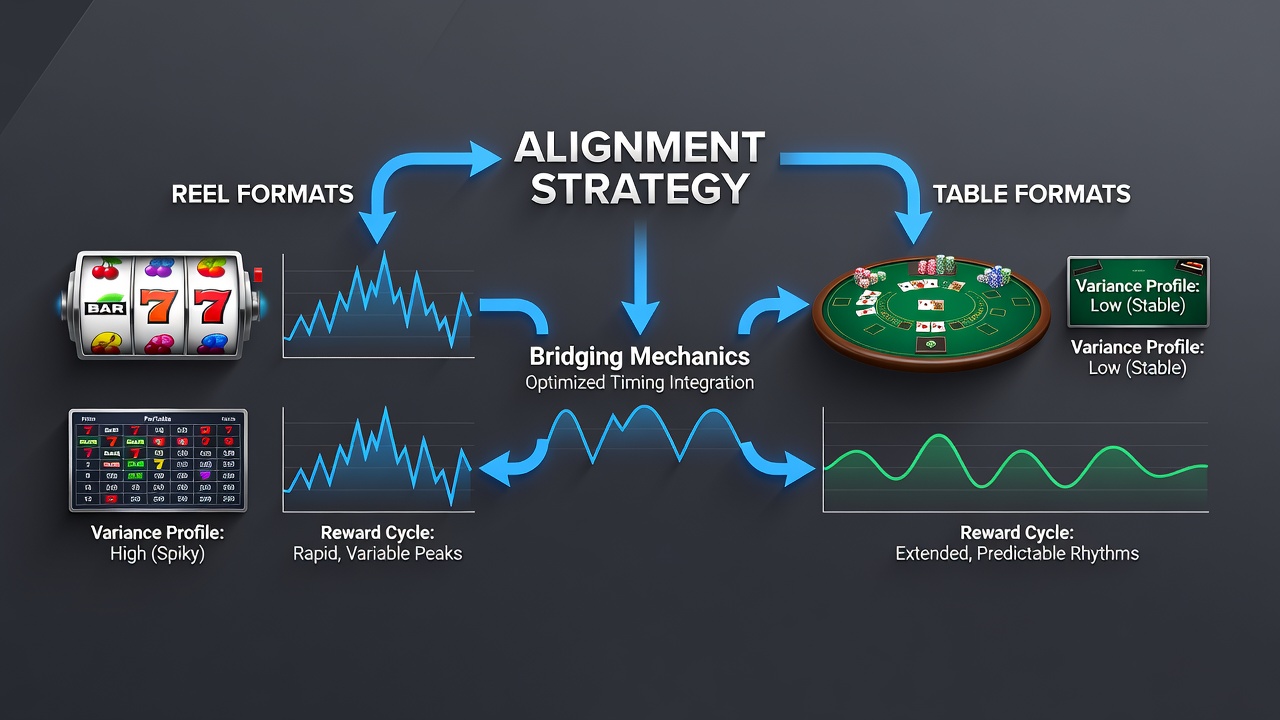
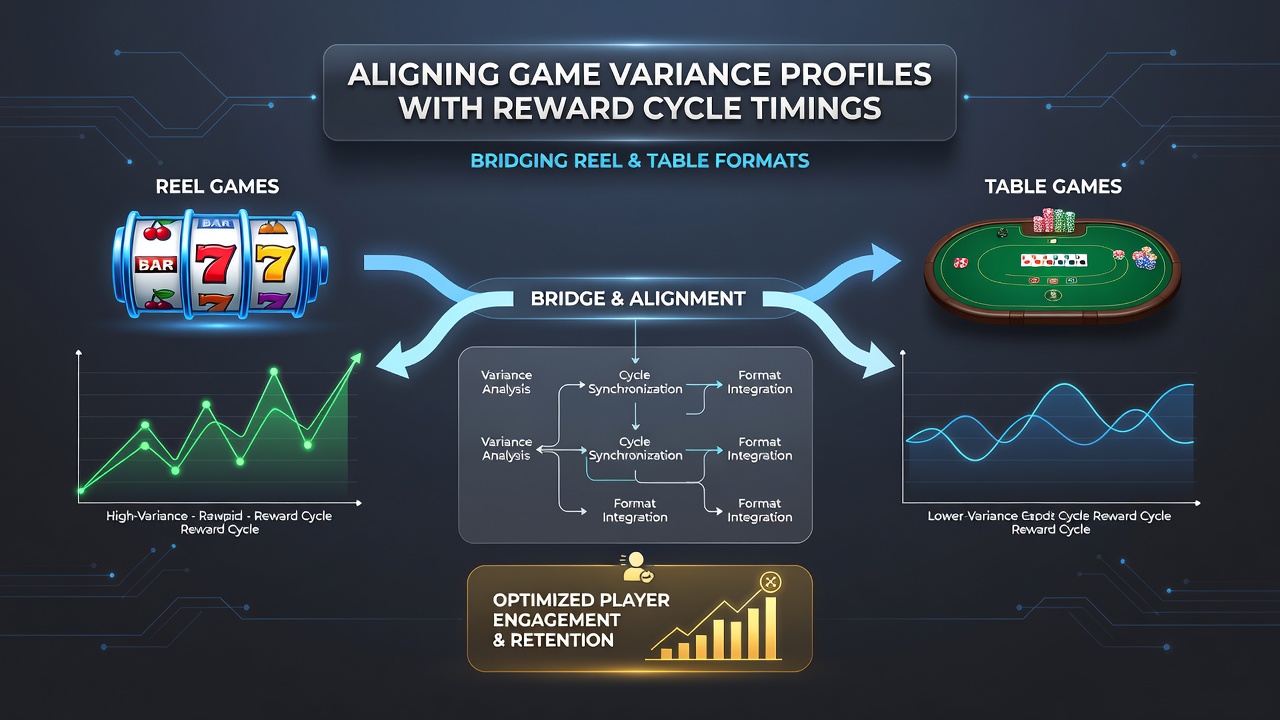
Game developers and platform operators continue to examine how slot volatility levels interact with bonus distribution schedules across both reel and table environments, and observers note that alignment of these elements supports smoother transitions between formats. Data from multiple markets shows that high-variance slots often feature extended dry spells followed by larger payouts, whereas low-variance titles deliver more frequent smaller returns, and matching these profiles to reward cycle lengths helps maintain engagement when players shift toward live dealer tables.
Research indicates that reward cycle timings encompass not only standard return-to-player percentages but also the intervals at which free spins, multipliers, and progressive triggers activate. In August 2026 several North American operators reported adjustments to these cycles on hybrid platforms, with figures revealing that coordinated timing reduced session abandonment rates during format switches by measurable margins.
Defining Variance Profiles in Reel Formats
Slot variance describes the distribution of win sizes and frequencies within a given title, and analysts categorize games into low, medium, and high tiers based on historical payout data. Low-variance slots typically produce steady small wins that align with shorter reward cycles, while high-variance options stretch intervals between hits yet offer larger potential returns when cycles complete. Those who study player behavior across platforms find that variance awareness allows operators to time introductory bonuses so they complement the underlying game rhythm rather than interrupt it.
Medium-variance titles occupy the middle ground and often serve as bridges themselves, providing enough consistency to encourage continued play while still incorporating occasional larger events that mirror the swing patterns found in certain table games. Evidence from aggregated session logs demonstrates that players who begin on matched-variance slots maintain higher activity levels when later accessing roulette or blackjack tables with comparable payout rhythms.
Mapping Reward Cycles Across Table Formats
Table games operate with their own cycle structures determined by rules, side bets, and dealer pacing, and live dealer implementations add further variables through streaming latency and multi-player dynamics. Blackjack rounds typically resolve in under a minute, creating short reward cycles that contrast with the longer intervals common in high-variance slots. Observers note that platforms which adjust slot bonus triggers to echo these shorter table cycles experience increased cross-format movement, especially when progressive elements carry over between game types.
Studies from the Australian Gambling Research Centre have documented how cycle alignment influences retention when players move between formats, and operators increasingly reference such findings when designing promotional schedules. In practice this means scheduling free spin rounds to coincide with expected table round completions so that momentum carries forward without abrupt resets.
Practical Alignment Techniques in Hybrid Platforms
Operators apply several methods to achieve alignment, beginning with data segmentation that groups players by preferred variance levels before presenting timed offers. A player whose recent slot activity shows high-variance patterns might receive table bonuses structured around longer wait periods with elevated payout potential, whereas low-variance users encounter quicker cycling promotions that transition into faster table rounds. Platform telemetry collected through 2026 indicates these segmented approaches correlate with extended overall play duration across both formats.
Integration of progressive jackpots that span reels and tables provides another linkage point, and the timing of jackpot contributions must match the variance profile of the originating slot while remaining compatible with table bet structures. One documented case involved a multi-format progressive that adjusted contribution rates according to real-time cycle data, resulting in more balanced distribution between slot and table participants according to internal operator reports.
Regional Regulatory Context and Data Trends
Regulatory bodies outside the United Kingdom, including the Alcohol and Gaming Commission of Ontario, have published aggregated statistics on cross-format play that highlight the role of timing coordination. These figures reveal steady growth in hybrid sessions during 2026, particularly when platforms implemented variance-matched reward schedules. Parallel reports from the Australian Gambling Research Centre examine similar patterns in Oceania markets and note that cycle alignment reduces abrupt exits during format transitions.
Technical implementations often rely on backend algorithms that monitor session variance in real time and adjust visible bonus timers accordingly. Such systems draw on historical datasets spanning millions of rounds, and updates deployed in August 2026 refined these algorithms to account for regional differences in table game pacing across European and Asian live dealer networks.
Conclusion
Coordination of variance profiles with reward cycle timings continues to shape how platforms present reel and table options as interconnected experiences rather than isolated categories. Available data shows measurable effects on session continuity when these elements align, and operators reference findings from multiple regulatory and research sources when refining their approaches. As platforms evolve through late 2026, further adjustments to these synchronization methods remain under active development across diverse markets.