Synchronizing Payment Processing with Slot and Live Game Rhythms to Extend Promotional Value
Henrik Braun · Jul 27, 2026
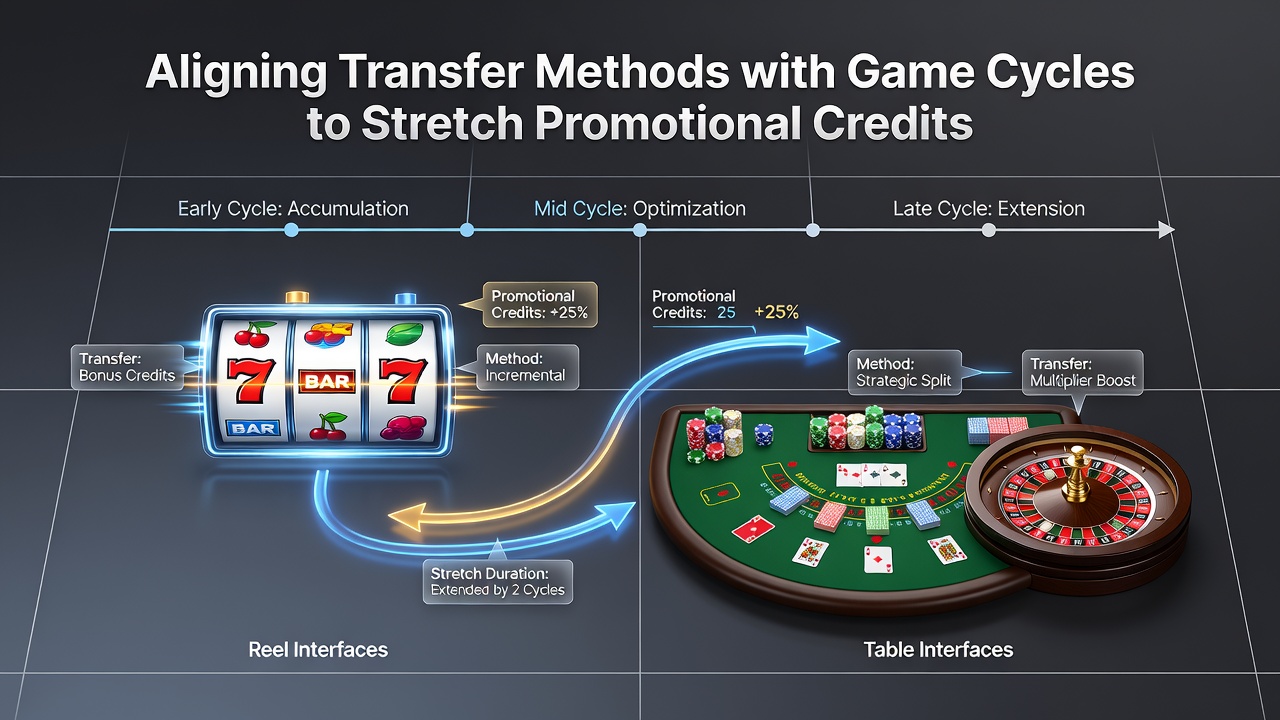
Synchronizing Payment Processing with Slot and Live Game Rhythms to Extend Promotional Value
Payment systems and game mechanics operate on distinct cycles that operators and players coordinate through specific timing strategies, according to industry analyses from the European Gaming and Betting Association. Reel interfaces deliver rapid spin sequences measured in seconds, while table interfaces follow slower rounds that incorporate decision points and dealer actions spanning 30 to 90 seconds on average. Transfer methods such as instant bank transfers, e-wallets, and card processing introduce variable completion windows that range from under five seconds for certain digital options to several minutes for traditional banking rails.
Game Cycle Characteristics Across Interfaces
Slot rotations maintain consistent high-frequency patterns that allow continuous credit deployment once promotional balances activate, whereas live dealer sequences introduce natural pauses that create opportunities for staggered funding. Observers note that these pauses permit players to align incoming transfers without interrupting table momentum, and data from multiple platform operators shows session lengths extending when deposit confirmations match the interval between hands or spins. Researchers at gaming analytics firms have documented that credit utilization rates improve when transaction speeds correspond to the variance levels of chosen titles, with low-volatility reels benefiting from steady micro-deposits and high-volatility progressives tolerating longer settlement periods.
Transfer Method Timelines and Compatibility
Instant e-wallet options complete authorization in real time, enabling seamless continuation across both reel and table environments without visible interruptions. Card-based methods typically require authorization windows of 10 to 30 seconds, which align more closely with table game pacing than rapid slot sequences. Bank transfer integrations vary by provider, yet newer instant variants introduced in 2025 have reduced processing to under 15 seconds in supported regions, allowing operators to offer synchronized bonus activation across interfaces. Those who have examined transaction logs report that mismatches between transfer duration and game tempo often result in temporary credit pauses, reducing the effective stretch of promotional balances.
Alignment Techniques for Extended Credit Use
Platform data indicates several practical approaches that coordinate funding events with game rhythms. Players initiate transfers during natural table breaks or between slot bonus rounds, which maintains continuous play flow. Certain payment gateways now embed status indicators directly in casino interfaces, displaying estimated arrival times that help users plan subsequent spins or bets. In July 2026, multiple operators integrated predictive timing tools that forecast transfer completion based on historical network loads, enabling automatic prompts when conditions favor specific game types. These tools draw from aggregated session metrics rather than individual behavior, preserving regulatory compliance across jurisdictions.
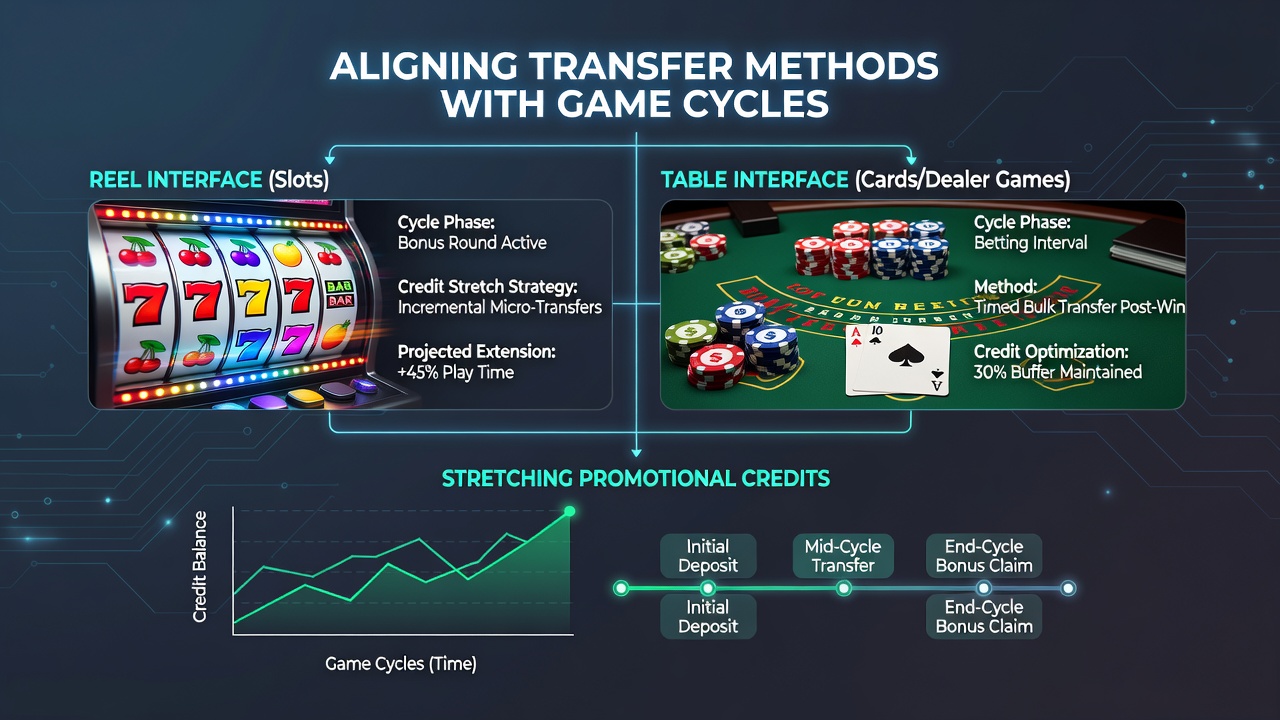
Additional coordination occurs through tiered bonus structures that unlock incremental credits upon reaching defined play thresholds, encouraging users to match deposit sizes to remaining game cycle windows. Progressive jackpot slots, for instance, reward sustained reel activity, and operators have introduced transfer options that release funds in increments timed to spin intervals. Live table environments benefit from similar segmentation, where promotional top-ups arrive between rounds to preserve table position and betting rhythm.
Regional Regulatory Context and Platform Adaptations
Authorities in several markets have examined how payment speed influences responsible play features, with the Pennsylvania Gaming Control Board publishing guidelines on transaction transparency in early 2026. These guidelines emphasize clear display of processing estimates so users understand when credits become available relative to ongoing game cycles. Industry reports from the Canadian Gaming Association highlight similar patterns in North American markets, where operators adjusted interface designs to show both game pace indicators and funding timelines side by side. Such adaptations allow promotional credits to stretch further by reducing idle time between transfers and active play.
Practical Examples from Operator Implementations
One major European platform introduced a unified dashboard that color-codes transfer options according to average completion speed and suggests matching game categories, resulting in documented increases in completed bonus cycles per session. Another operator in the Asia-Pacific region tested delayed-release transfers for table games, releasing portions of promotional funds at intervals that matched average round durations and observed extended table presence without additional deposits. These implementations rely on backend synchronization between payment processors and game servers rather than player intervention alone.
Conclusion
Coordination between transfer timelines and game cycle lengths provides measurable effects on promotional credit duration across reel and table interfaces. Platform metrics continue to track these interactions as operators refine timing tools and regulatory bodies issue updated transparency requirements. The resulting systems deliver factual improvements in session continuity when payment processing aligns with the inherent rhythms of slots and live dealer formats.