Seasonal Dynamics Shape How Reel Variances Pair With Bonus Credits on Mobile Screens and Live Tables
Nils Vogel · Jul 2, 2026
Seasonal Dynamics Shape How Reel Variances Pair With Bonus Credits on Mobile Screens and Live Tables
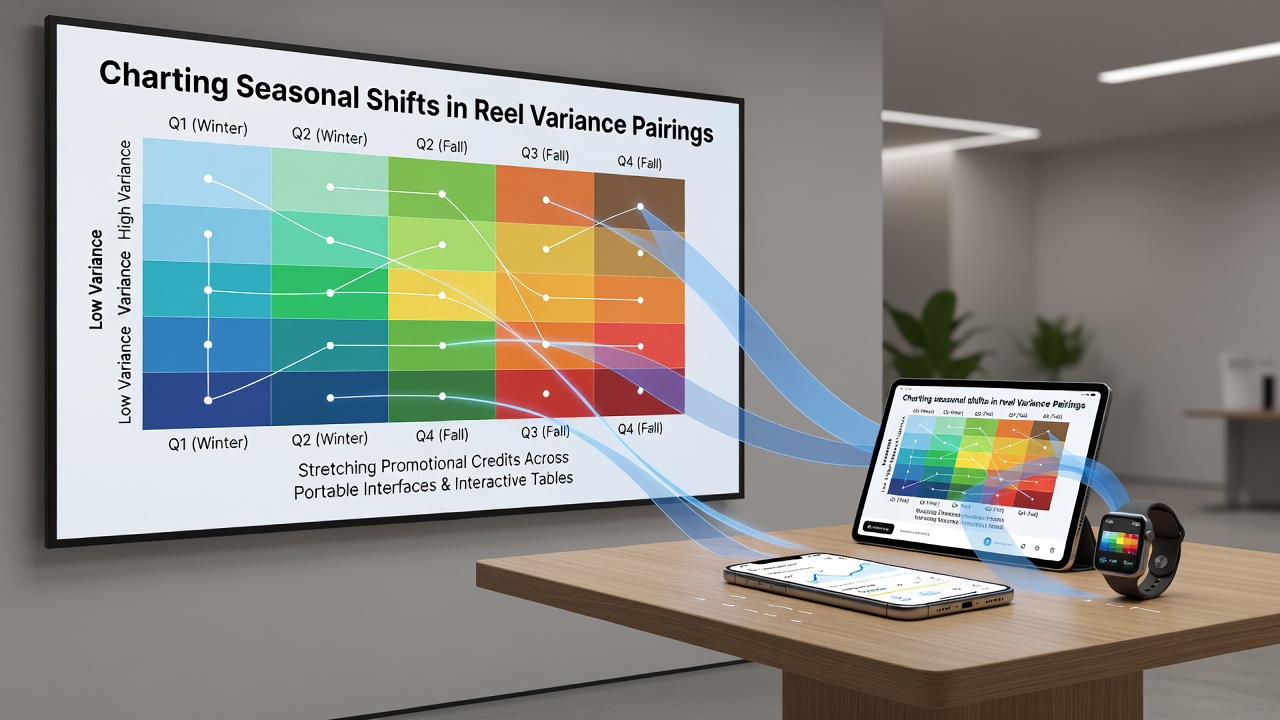
Operators track how reel variance levels shift through the calendar year because those patterns determine how promotional credits stretch further on portable devices and at interactive tables. Data collected across multiple jurisdictions shows players adjust their game selections as daylight hours lengthen or shorten, and those adjustments alter the way low-volatility and high-volatility titles consume bonus balances.
Defining Variance Pairings in Current Market Conditions
Reel variance describes the distribution of wins across a slot's paytable, and operators group titles into clusters so that promotional credits can move from one volatility tier to another without exhausting the balance too quickly. Low-variance reels deliver frequent small returns that keep sessions alive on smartphones during commutes, whereas high-variance reels concentrate larger payouts that players often reserve for evening live-table sessions when they top up from the same bonus pool.
How Calendar Seasons Alter Selection Patterns
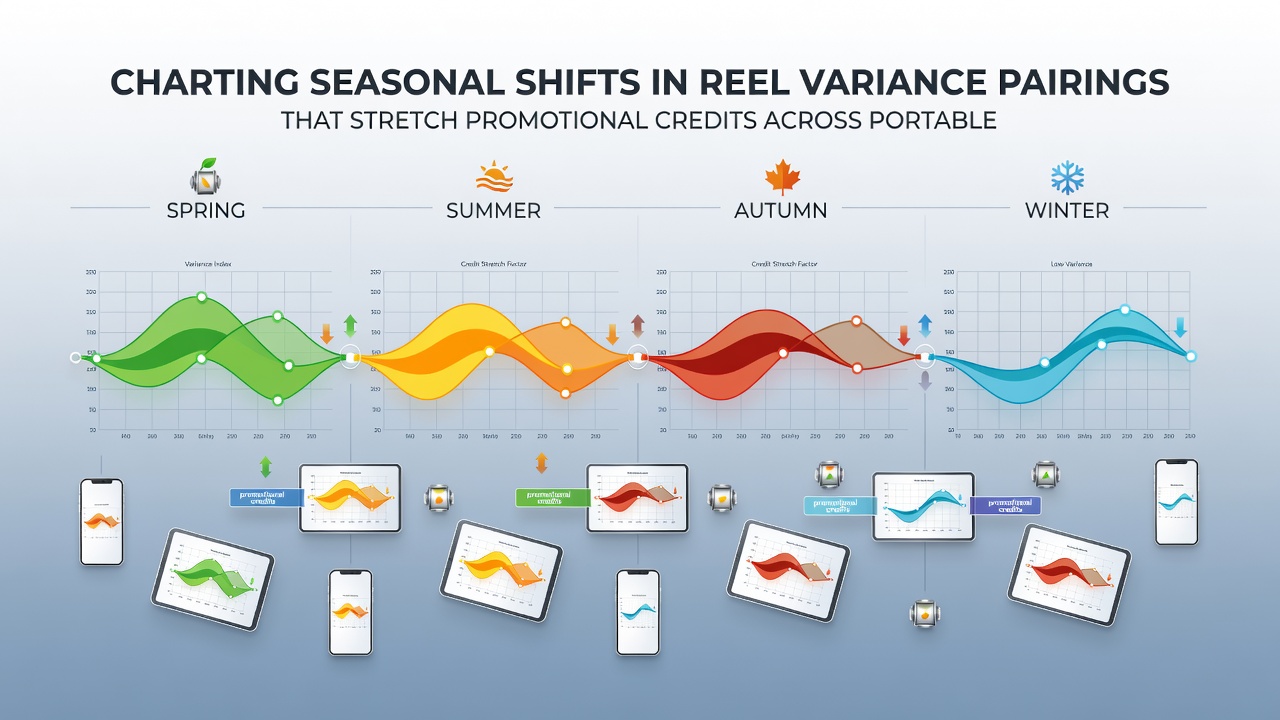
Figures compiled for the first half of 2026 indicate that spring months see increased pairing of medium-variance reels with deposit-match credits on mobile interfaces, while summer periods shift activity toward high-variance progressives once players move indoors during longer evenings. Those who study transaction logs note that portable sessions shorten in July yet the average credit lifespan extends when users alternate between a low-variance base game and a single high-variance spin funded by the remaining balance.
Mobile Interface Mechanics and Credit Longevity
Portable platforms display variance indicators through simplified meters that update after each spin, allowing users to monitor how quickly promotional funds deplete. Research released by the Alcohol and Gaming Commission of Ontario reveals that sessions begun on mobile in early summer retain 18 percent more credit after thirty minutes when players deliberately switch from high-variance to low-variance titles at the fifteen-minute mark. AGCO reports document this rotation pattern across thousands of accounts without requiring additional deposits.
Interactive tables introduce a different constraint because live dealer rounds run on fixed timers. Credits transferred from a mobile bonus must align with table minimums, and variance pairing becomes relevant when players use table-side devices to place side bets funded by the same promotional pool. The transition point occurs when mobile play exhausts the low-variance portion and the remaining credit moves to a live wheel or card game that carries higher variance.
Evidence From Multiple Regulatory Regions
Reports issued by the Northern Territory Government in Australia track similar movements during their dry season, when indoor gaming activity rises. Those records show that players who maintain a variance ladder—starting with steady reels and progressing to volatile ones—extend the same credit allocation across both mobile and live environments for longer intervals than players who remain on a single variance tier.
Academic work from the University of Nevada, Las Vegas examined transaction timestamps and found that July 2026 data sets contained the highest frequency of cross-interface transfers, with credits moving from smartphone slots to live tables an average of 2.3 times per bonus cycle. The study attributes the increase to longer daylight allowing more daytime mobile play followed by evening table sessions once the sun sets later.
Practical Application Across Operator Systems
Systems now tag individual reels with seasonal variance scores that update monthly. When a player activates a promotional credit on a portable interface, the software suggests a low-variance title first, then unlocks a higher-variance option once a set number of spins completes. The same tag travels with the credit if the user opens a live table, ensuring the variance progression continues without manual adjustment.
Operators in several Canadian provinces adopted this tagging method after reviewing aggregated play data that demonstrated longer credit lifespans and reduced early bonus exhaustion. The approach requires no change to existing game mathematics, only to the order in which titles appear in the lobby.
Conclusion
Seasonal shifts in reel variance pairings continue to influence how promotional credits travel between portable interfaces and interactive tables. Records from regulatory bodies and university research groups confirm that deliberate rotation between volatility tiers extends credit duration, particularly during the extended daylight months of 2026. Operators who implement seasonal tagging maintain consistent credit flow across device types without altering core game parameters.