Mapping Transaction Routes for Seamless Bonus Transitions Between Reel Spins and Interactive Gaming Tables
Hugo Butler · May 30, 2026
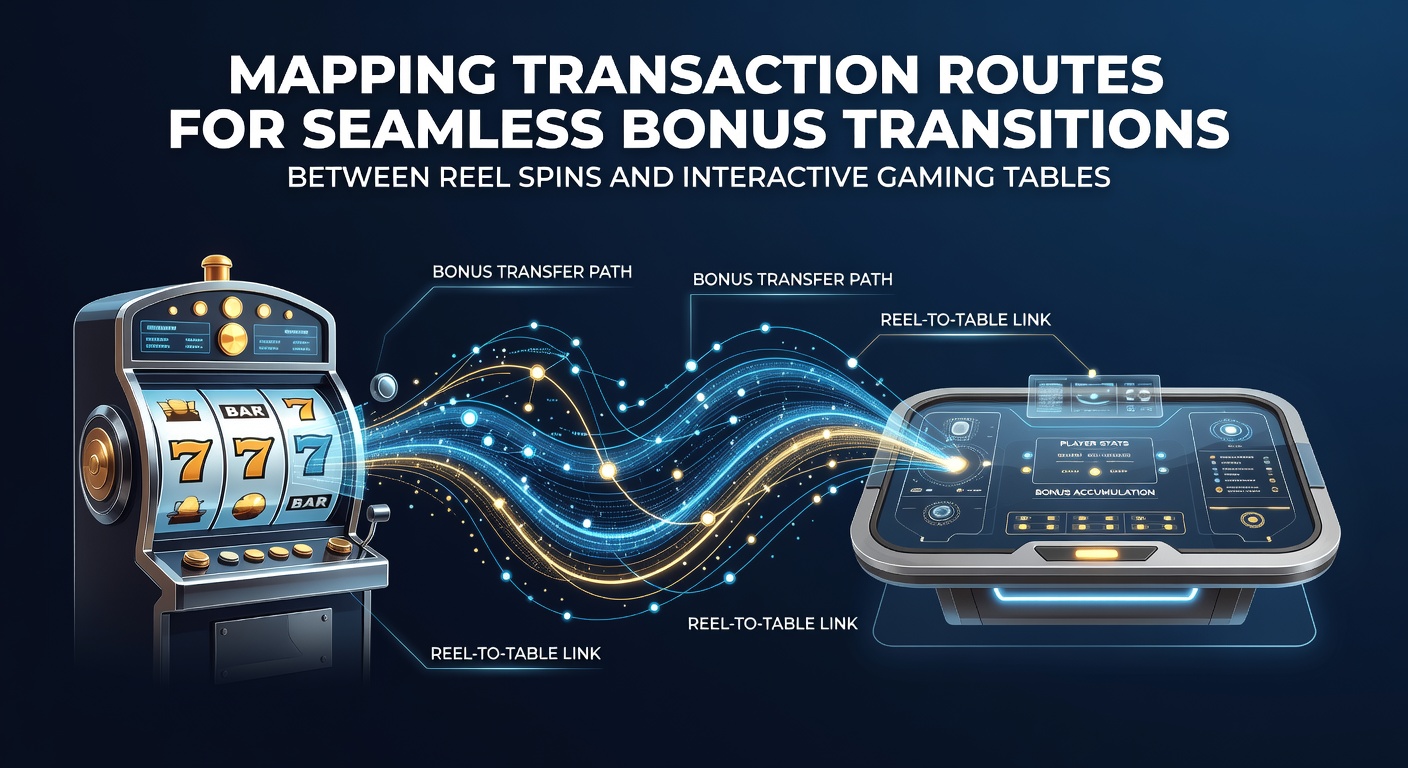
Mapping Transaction Routes for Seamless Bonus Transitions Between Reel Spins and Interactive Gaming Tables
Transaction mapping in digital gaming environments involves charting the precise pathways that allow bonus credits earned on reel spins to convert into active stakes at interactive tables without interruption or delay. Observers note that these routes rely on integrated payment processors and real-time ledger systems that synchronize across platforms. Data from industry reports shows that successful mappings reduce processing intervals to under three seconds in many cases, enabling continuous play sessions that span both formats.
Core Components of Transaction Pathways
Payment gateways form the backbone of these mappings, handling everything from initial bonus allocation on spinning reels to the instant crediting at dealer tables. Researchers at institutions tracking gaming technology have documented how API connections between slot servers and table management software create unified player wallets. In practice this means a no-deposit credit activated during a reel session can flow directly into a live blackjack stake once the player switches interfaces. Those who study these systems point out that encryption layers and compliance checks occur simultaneously rather than sequentially, which keeps momentum intact.
Wallet architecture plays a central role because it must accommodate fluctuating balances across game types. Experts observe that modern setups use compartmentalized ledgers where bonus portions remain tagged by origin yet remain fully spendable once transition conditions are met. Figures from May 2026 indicate that platforms adopting unified wallet models saw higher completion rates for bonus conversions compared with fragmented alternatives. The mechanics involve automated triggers that detect when a player navigates from reels to tables and then apply predefined conversion rules without manual intervention.
Integration Patterns Observed in 2026
By May 2026 several networks had refined their routing logic to prioritize low-latency corridors between mobile slot clients and browser-based table environments. According to data compiled by the American Gaming Association, operators using blockchain-verified transaction trails reported fewer disputes over bonus eligibility during cross-format moves. These trails function like digital breadcrumbs that verify each step from reel activation through to table settlement. People familiar with the infrastructure note that such verification happens in milliseconds because the routes are pre-mapped rather than calculated on the fly.
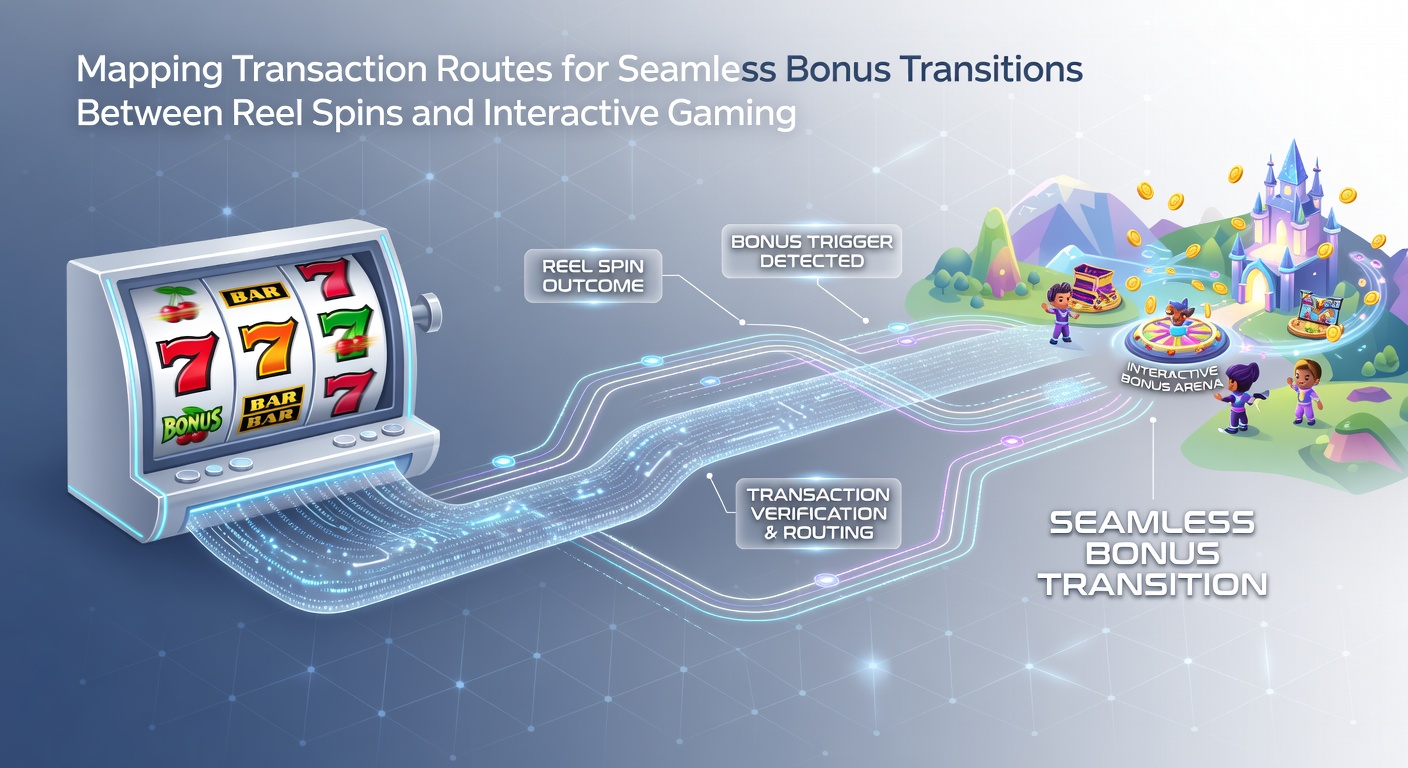
Multi-channel synchronization tools have become standard because players frequently shift devices mid-session. Studies conducted by the University of Nevada, Las Vegas gaming research group reveal that seamless transitions depend on cloud-hosted session states that update across all connected endpoints. When a bonus earned on reels reaches a table interface, the system checks eligibility parameters such as wagering progress and game-type restrictions before releasing funds. This verification step occurs invisibly to the user yet forms the critical junction in the mapped route.
Regulatory and Technical Considerations
Compliance frameworks require that every mapped route maintain clear audit trails for regulatory review. The Malta Gaming Authority has published guidelines emphasizing transparent bonus tracking across game categories, which has prompted developers to embed logging functions directly into transaction pathways. Observers note that these logs capture timestamps, origin games, destination tables, and conversion multipliers so that any review can reconstruct the full journey. Operators who implement these standards early have reported smoother audits and fewer reconciliation issues during periodic checks.
Security protocols add another layer because mapped routes must resist interception or tampering at every node. Industry associations tracking payment security report that tokenization of bonus credits during transit prevents unauthorized alterations while preserving the original value and conditions attached to each credit. In May 2026 updates to these protocols allowed certain routes to incorporate biometric confirmation steps without extending overall transition times beyond acceptable thresholds.
Practical Implementation Examples
One documented case involved a European operator that linked its reel bonus engine to a live dealer platform through a dedicated middleware layer. The mapping allowed free-spin winnings to appear automatically in the table balance once the player selected a dealer game. Reports from that deployment showed that average session lengths increased because players no longer paused to transfer funds manually. Similar patterns have emerged among operators serving Australian markets where local regulations encourage clear separation yet fluid movement of promotional credits.
Another configuration uses conditional routing that evaluates player history before approving a transition. If previous activity indicates consistent cross-format play, the system accelerates the route by skipping redundant verifications. Research indicates that such conditional logic improves completion rates while still satisfying regulatory requirements for responsible bonus distribution.
Conclusion
Mapping transaction routes for bonus movement between reel spins and interactive tables represents a technical evolution driven by player expectations and regulatory demands. The pathways now in use combine established payment infrastructure with specialized gaming protocols to deliver uninterrupted credit flow. Continued refinement of these maps through 2026 and beyond will likely focus on further latency reductions and expanded compatibility across emerging device types while preserving the auditability and security standards already established by oversight bodies in multiple jurisdictions.