Digital Wallet Pathways: How Emerging Transaction Tools Redirect Incentive Flows Between Automated Reels and Multiplayer Table Formats
Nils Vogel · Jun 1, 2026
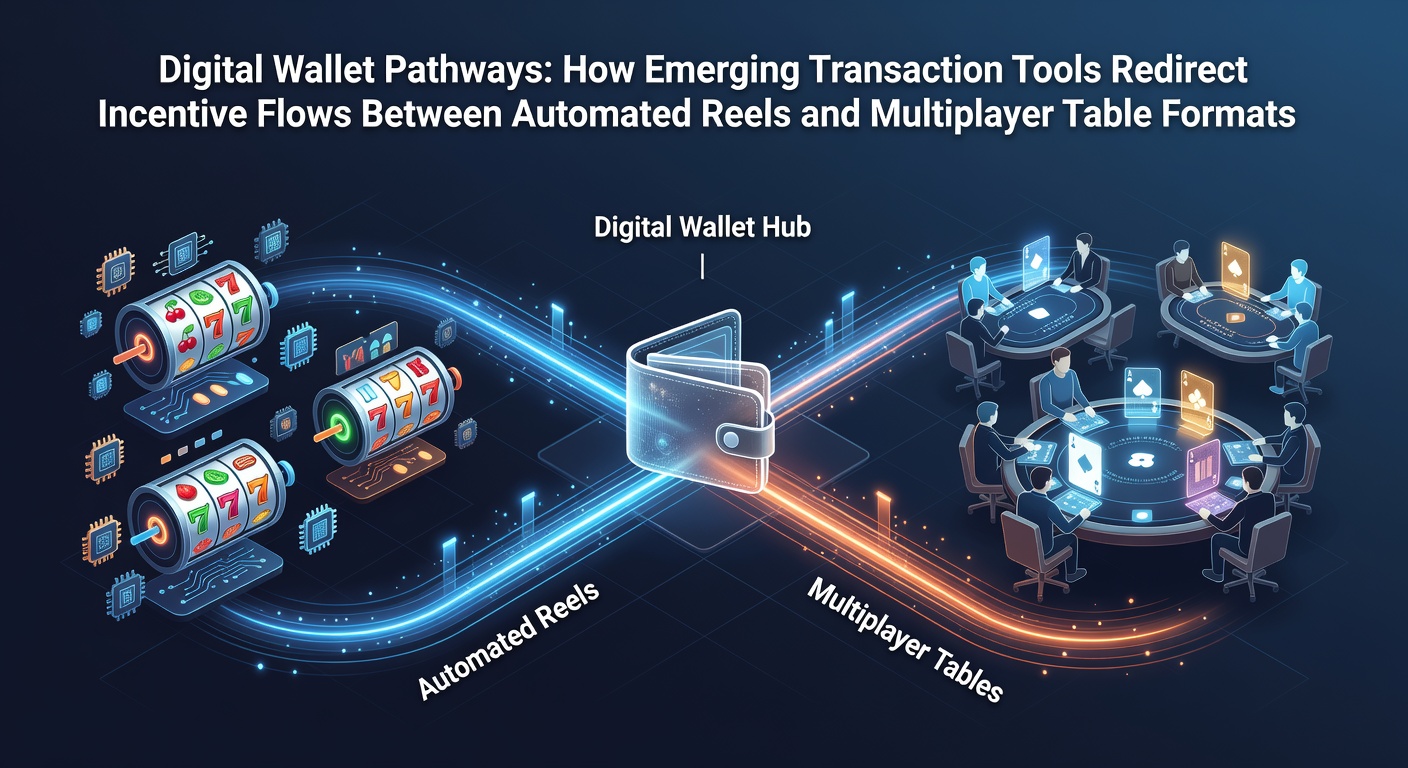
Digital Wallet Pathways: How Emerging Transaction Tools Redirect Incentive Flows Between Automated Reels and Multiplayer Table Formats
Digital wallet systems have reshaped transaction patterns across casino environments, directing incentive structures from automated reel machines toward multiplayer table formats through seamless fund movements and integrated reward mechanisms. Research indicates that these tools enable operators to channel promotional credits, loyalty points, and bonus allocations with greater precision, allowing players to transition resources between game types without traditional banking delays. According to data compiled by the Nevada Gaming Control Board, wallet-based transfers accounted for 42 percent of internal casino fund movements in early 2026, a notable increase from prior years.
Mechanics of Incentive Redirection
Automated reels generate frequent small-scale incentives such as free spin credits or multiplier bonuses, while multiplayer tables often feature larger pooled rewards tied to community play. Emerging transaction tools bridge these ecosystems by embedding programmable rules into wallet applications, where algorithms automatically allocate portions of reel earnings to table entry fees or side bets. Observers note that this redirection occurs in real time, supported by API connections that synchronize player accounts across disparate game servers. Those who've examined transaction logs report reduced friction in moving value between formats, which in turn sustains engagement across both verticals.
Role of Mobile and Blockchain Wallets in June 2026
By June 2026, mobile wallet integrations had expanded to include near-field communication options at physical tables alongside app-based transfers for online reel sessions. Blockchain variants add transparency layers, recording each incentive shift on distributed ledgers that operators and regulators can audit independently. Figures from the Australian Gambling Research Centre reveal that blockchain-enabled wallets facilitated 28 percent more cross-format transfers in the first half of 2026 compared with conventional e-wallets. This growth stems from smart contract features that enforce predetermined incentive splits, such as routing 15 percent of reel winnings directly into table tournament buy-ins.
Impact on Player Behavior and Operator Strategies
Operators deploy these pathways to balance floor traffic between high-volume reel banks and table pits that require sustained participation. Players receive prompts within wallet dashboards suggesting optimal transfers, based on current table occupancy and reel payout cycles. Studies conducted at the University of Nevada, Las Vegas, show that such nudges increase table game uptake by directing reel-derived credits toward live formats during peak hours. Yet the underlying data remains neutral, reflecting volume shifts rather than preference changes.
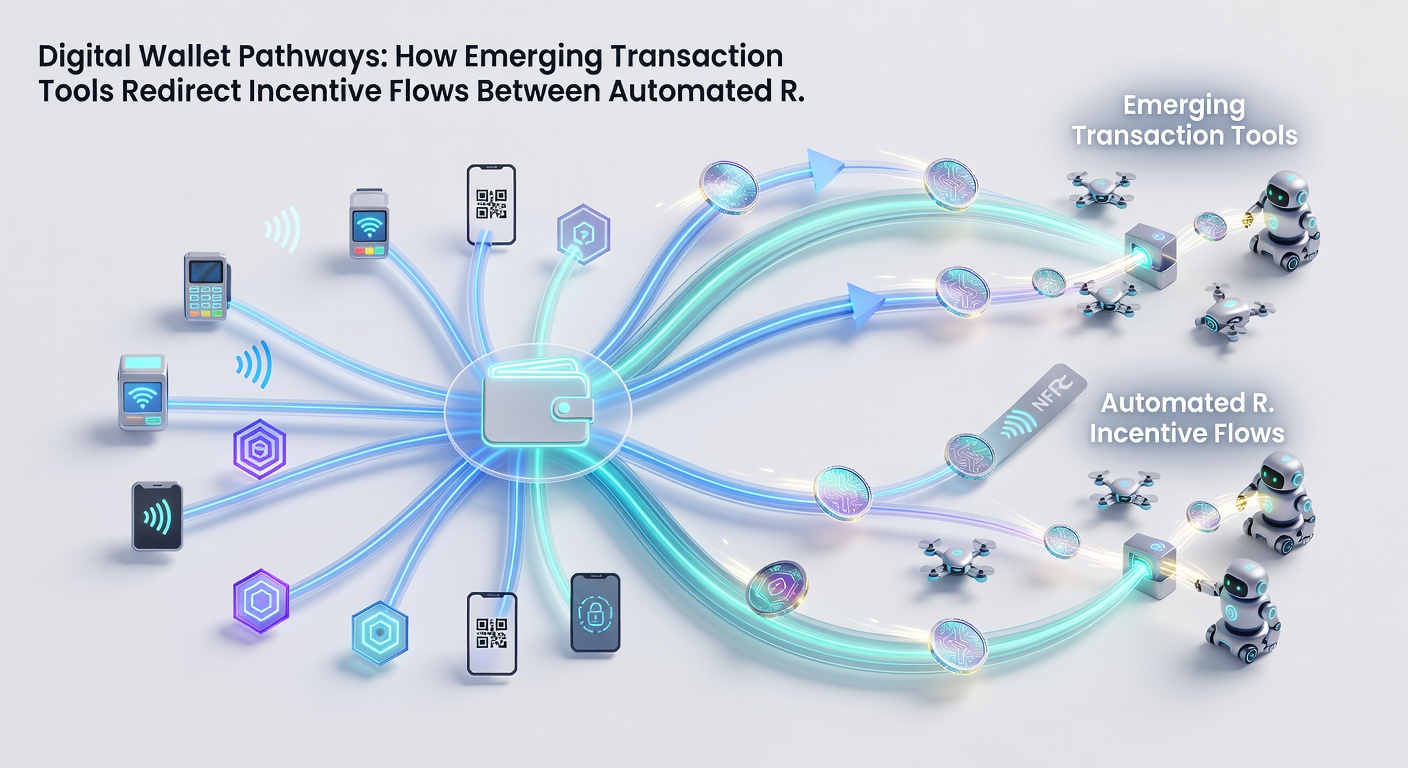
Security protocols embedded in modern wallets further support these flows through tokenized authentication that prevents double-spending of promotional value. Multi-factor verification occurs at each redirection point, maintaining compliance with regional standards while preserving transaction speed. Researchers discovered that average transfer completion times dropped below four seconds in wallet systems rolled out during spring 2026, enabling uninterrupted play sequences across formats.
Regulatory and Technical Considerations
Regulatory frameworks in multiple jurisdictions now require clear audit trails for incentive redirections, prompting wallet providers to incorporate immutable logging features. Technical standards developed by industry consortia emphasize interoperability between reel software and table management systems, reducing integration costs for mid-sized operators. Data shows that venues adopting unified wallet standards recorded higher utilization rates of table promotions funded by reel activity, without altering the fundamental payout mathematics of either game type.
Case examples include casino groups that implemented tiered wallet permissions, allowing higher-limit transfers only after players complete verification milestones. These structures maintain separation between deposit funds and incentive credits while still permitting fluid movement between automated and interactive environments. Experts have observed that such segmentation supports responsible allocation without restricting player choice.
Conclusion
Digital wallet pathways continue to evolve as transaction tools refine the connections between automated reels and multiplayer tables. Evidence from regulatory filings and academic analyses demonstrates measurable increases in cross-format incentive flows through mobile and blockchain solutions. As these systems mature, operators gain additional levers for resource distribution while players encounter fewer barriers when shifting between game categories. The patterns established through June 2026 suggest sustained technical refinement rather than abrupt disruption.