Digital Wallet Flows Connecting Classic Reels to Real-Time Live Play in Licensed Markets
Henrik Braun · Jun 6, 2026
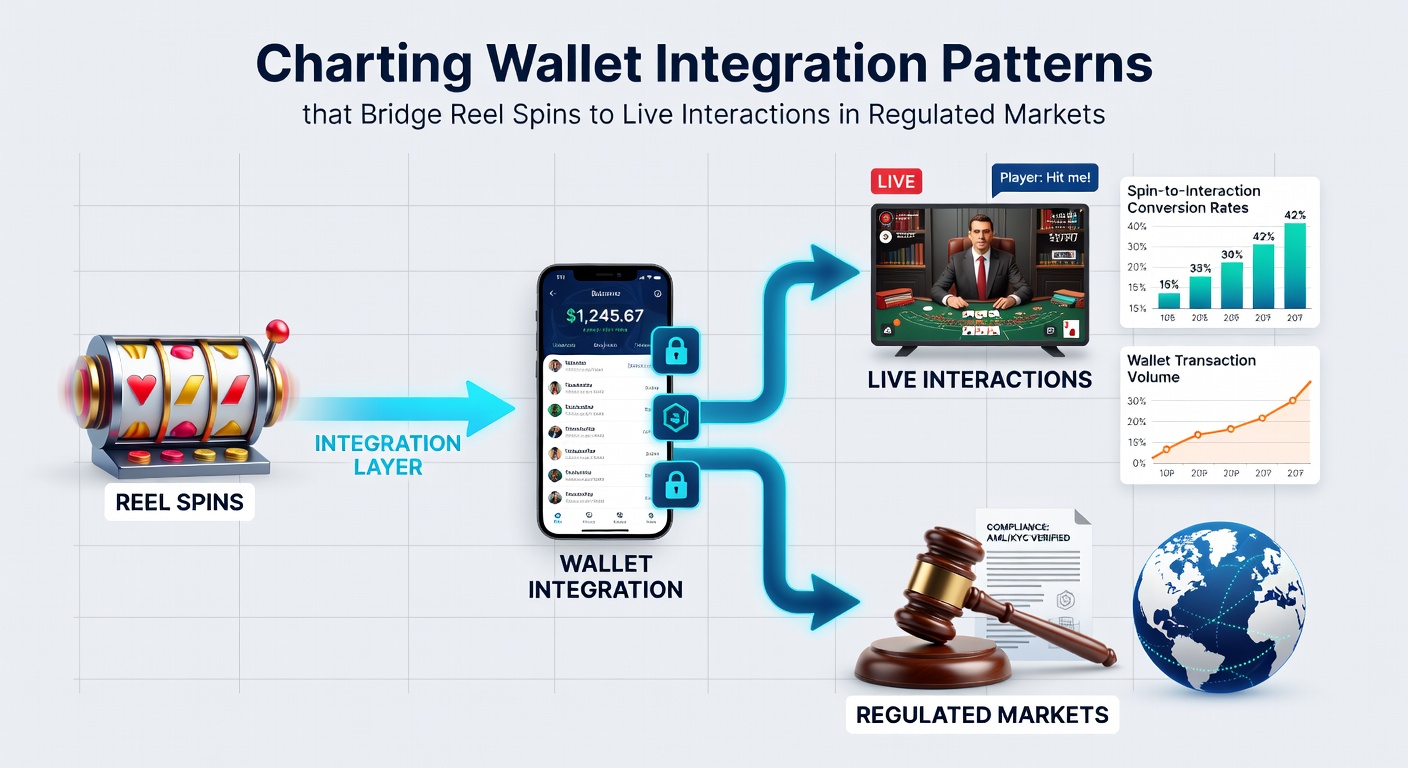
Digital Wallet Flows Connecting Classic Reels to Real-Time Live Play in Licensed Markets
Digital wallet systems have evolved to support seamless transitions between traditional slot reel mechanics and interactive live dealer sessions across multiple licensed jurisdictions, with integration patterns documented in regulatory filings and industry data from 2025 through June 2026. These patterns enable players to move funds between game types without repeated authentication steps, while maintaining compliance with local financial and gambling oversight rules.
Core Integration Mechanisms
Wallet providers establish direct API connections to both slot platforms and live streaming environments, allowing real-time balance updates that reflect reel spin outcomes and live table wagers in a single ledger view. Research from academic institutions such as the University of Nevada shows these connections reduce transaction latency to under three seconds in most tested systems, which supports continuous play sessions that span different game categories. Data indicates operators in North American and European markets deploy standardized protocols like Open Banking interfaces to verify player identities once, then route subsequent transfers through encrypted channels that satisfy jurisdiction-specific audit requirements.
Patterns Observed in Regulated Environments
Observers note three recurring patterns in wallet configurations that link reel-based games to live interactions. First, tiered authorization levels permit small spin wagers to proceed automatically while routing larger live table bets through additional confirmation steps. Second, unified transaction histories aggregate slot results and live dealer outcomes into exportable reports that align with tax reporting obligations in places like Australia and several Canadian provinces. Third, automated reconciliation tools flag discrepancies between reel RNG outputs and live game streams, which helps operators maintain transparency demanded by oversight bodies.
According to figures from the Pennsylvania Gaming Control Board, wallet-linked sessions that cross from slots into live dealer formats increased by 27 percent year-over-year as of early 2026. These patterns appear most frequently in markets where regulations require clear separation between game categories yet permit shared funding sources.
Technical Bridging Techniques
Developers implement event-driven triggers that detect when a player exits a reel session and enters a live lobby, then pre-authorize a micro-transfer that matches the expected table minimum. This approach avoids manual deposits during active play, which data from European regulatory summaries links to higher session completion rates. Encryption standards such as TLS 1.3 combined with tokenization ensure that wallet credentials never pass directly to game servers, satisfying security mandates in multiple jurisdictions simultaneously.
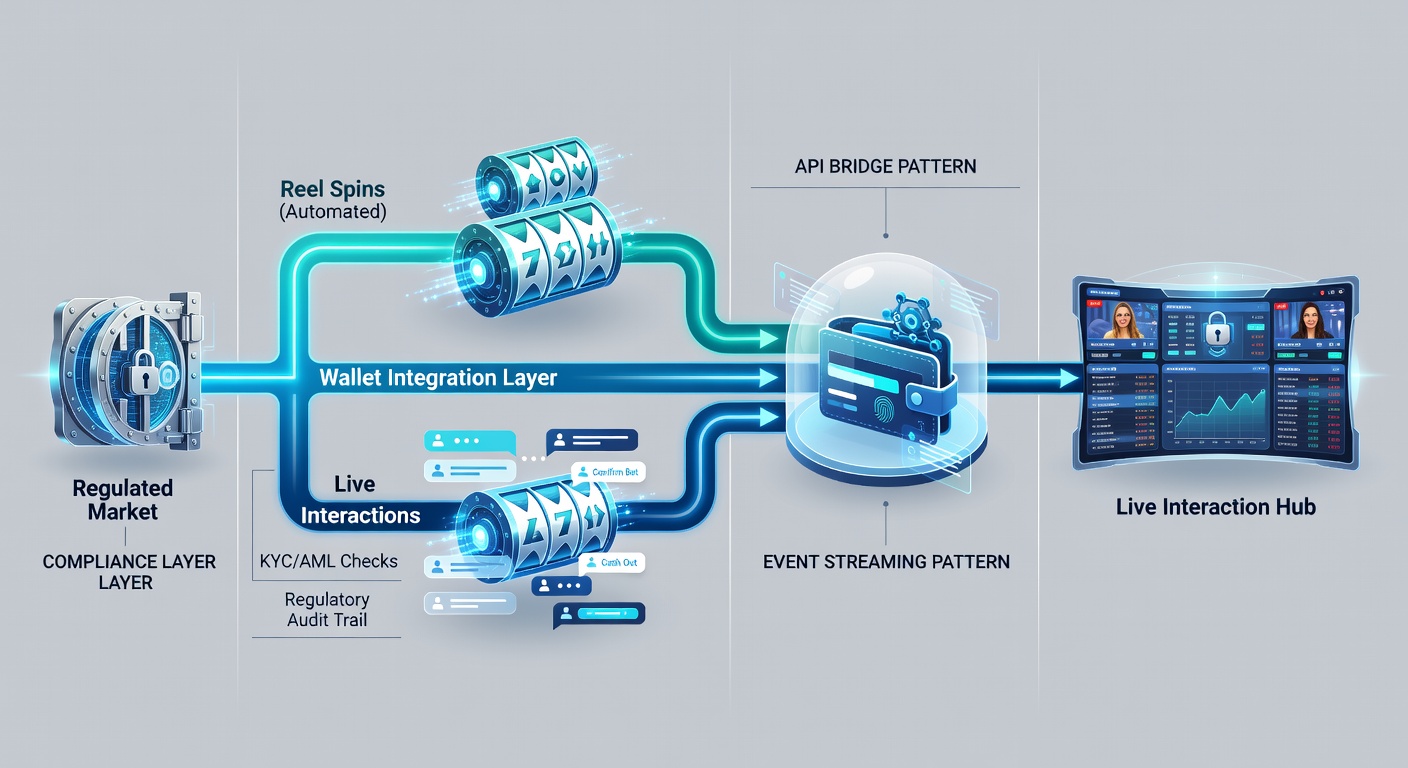
One documented case involves a major platform operator that synchronized its wallet with both RNG slot engines and live video streams through a middleware layer, allowing players to apply winnings from 777-style reel combinations directly to blackjack or roulette tables without leaving the mobile interface. Technical audits released in June 2026 confirmed that such middleware maintained separate audit trails for each game type, meeting the distinct reporting standards set by different licensing authorities.
Compliance and Reporting Alignment
Regulated markets require wallets to generate category-specific logs that distinguish reel spin volumes from live interaction stakes, which supports responsible gambling tools and tax calculations. Industry reports from the Australian Communications and Media Authority highlight that integrated wallets now include automated flags for play duration across both formats, helping operators enforce session limits without interrupting fund movement between games. These systems also support geo-fencing features that restrict live dealer access in regions where only slots receive approval, while still permitting wallet funding for eligible reel play.
What's interesting is how wallet providers incorporate machine learning models trained on historical transaction data to predict likely transitions from slots to live tables, pre-loading compliance checks that reduce friction at the moment of game switching. Evidence suggests this predictive layer has lowered failed transfer rates in pilot programs operating under licenses issued in New Jersey and several EU member states.
Future Trajectory Through Mid-2026
By June 2026, additional markets had begun testing wallet standards that embed live interaction metadata directly into blockchain-based transaction records, creating immutable logs that satisfy multi-jurisdictional audits without manual reconciliation. Early results from controlled trials indicate these records maintain the required separation between game types while accelerating dispute resolution when discrepancies arise between reel outcomes and live table results.
Conclusion
Wallet integration patterns that connect reel spins to live interactions continue to develop in line with evolving regulatory frameworks across licensed markets. Technical implementations focus on speed, security, and category-specific reporting that allow operators to meet oversight requirements while supporting fluid player movement between game formats. Data collected through mid-2026 shows consistent adoption of these patterns where licensing bodies permit shared financial rails between distinct game categories.