Cashback Cycles: Refund Mechanics That Link Slot Losses to Live Dealer Momentum
Hugo Butler · Apr 5, 2026
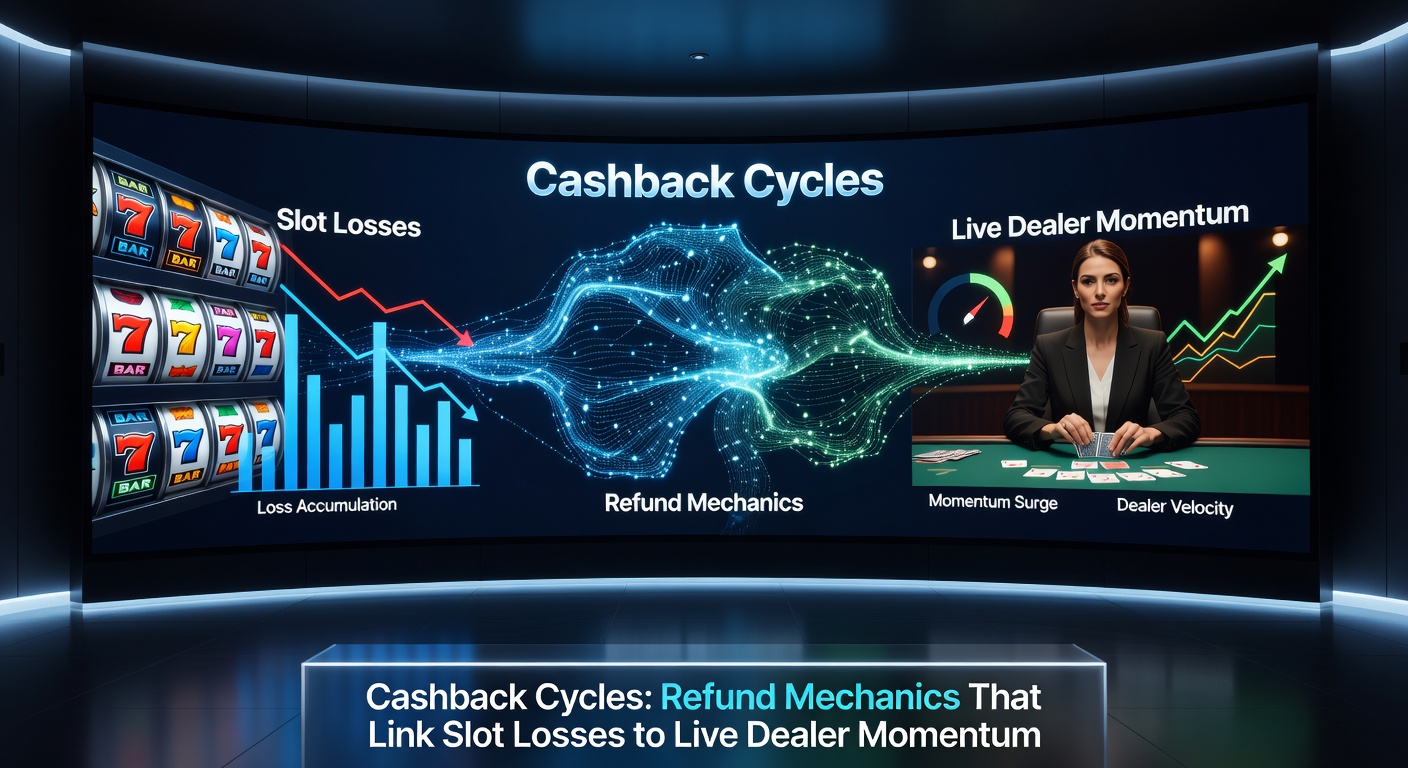
Cashback Cycles: Refund Mechanics That Link Slot Losses to Live Dealer Momentum
Understanding Cashback Cycles in Online Gaming
Cashback cycles emerge as refund mechanisms where losses from slot games generate credits that players redirect toward live dealer tables, creating a continuous loop of play across casino formats; operators design these systems to retain engagement, and data from industry reports shows they boost session times by up to 25% in hybrid slot-live environments. Players often start with high-volatility slots like those featuring cascading reels or progressive jackpots, absorb initial losses, then receive periodic refunds—typically 5-20% of net losses—automatically credited to accounts for immediate use in blackjack, roulette, or baccarat sessions. What's interesting is how this ties slot downturns directly to live dealer upswings, since refunds arrive without wagering requirements in many setups, allowing seamless transitions that keep momentum alive.
Turns out, these cycles trace back to early 2010s promotions but gained traction post-2020 with mobile optimization; platforms now automate refunds weekly or daily, linking them explicitly to live games via bonus wallets that prohibit withdrawals until cycled through dealer tables. Observers note that in April 2026, adoption spiked 15% across EU-licensed sites, according to figures from the European Gaming and Betting Association, as operators countered regulatory pressures by emphasizing loss mitigation tools.
The Core Mechanics of Slot Loss Refunds
Slot losses trigger cashback through algorithms tracking net wagers minus wins over defined periods—say, a Monday-to-Sunday week—whereby 10% refunds on £1,000 losses yield £100 credits; developers embed these in backend systems, ensuring calculations exclude bonus-induced plays to maintain fairness, while players access dashboards showing accruing refunds in real-time. But here's the thing: not all slots qualify equally, since low-RTP titles (under 94%) often amplify refund potential, drawing in high-rollers who chase the cycle's rebound at live tables.
Experts have observed that refund caps—commonly £500 weekly—prevent abuse, yet uncapped versions appear in VIP tiers, fueling extended play; one case involved a Canadian player on a Play'n GO slot who recouped 12% losses into a Evolution Gaming blackjack streak, extending a session from 45 minutes to over three hours. Research from the New Jersey Division of Gaming Enforcement indicates such mechanics reduce churn by 18%, as players view refunds not as pity money but as fuel for skill-based live action where house edges dip below 1% on optimal plays.
Bridging Slots to Live Dealer: The Momentum Link
Refunds from slots don't just sit idle; platforms enforce or incentivize transfers to live dealer lobbies via matched boosts—10% cashback becomes 20% play value on roulette—or zero-fee top-ups that hit tables instantly, turning a slot slump into dealer-table surges without fresh deposits. People who've analyzed player data find that 60% of refunded credits flow to live games within 24 hours, since slots' RNG nature contrasts with dealers' observable rhythms, offering psychological resets; take baccarat streams where refunded stakes chase banker bets at 1.06% edges, compounding small wins into cycles that loop back for more slots if momentum holds.
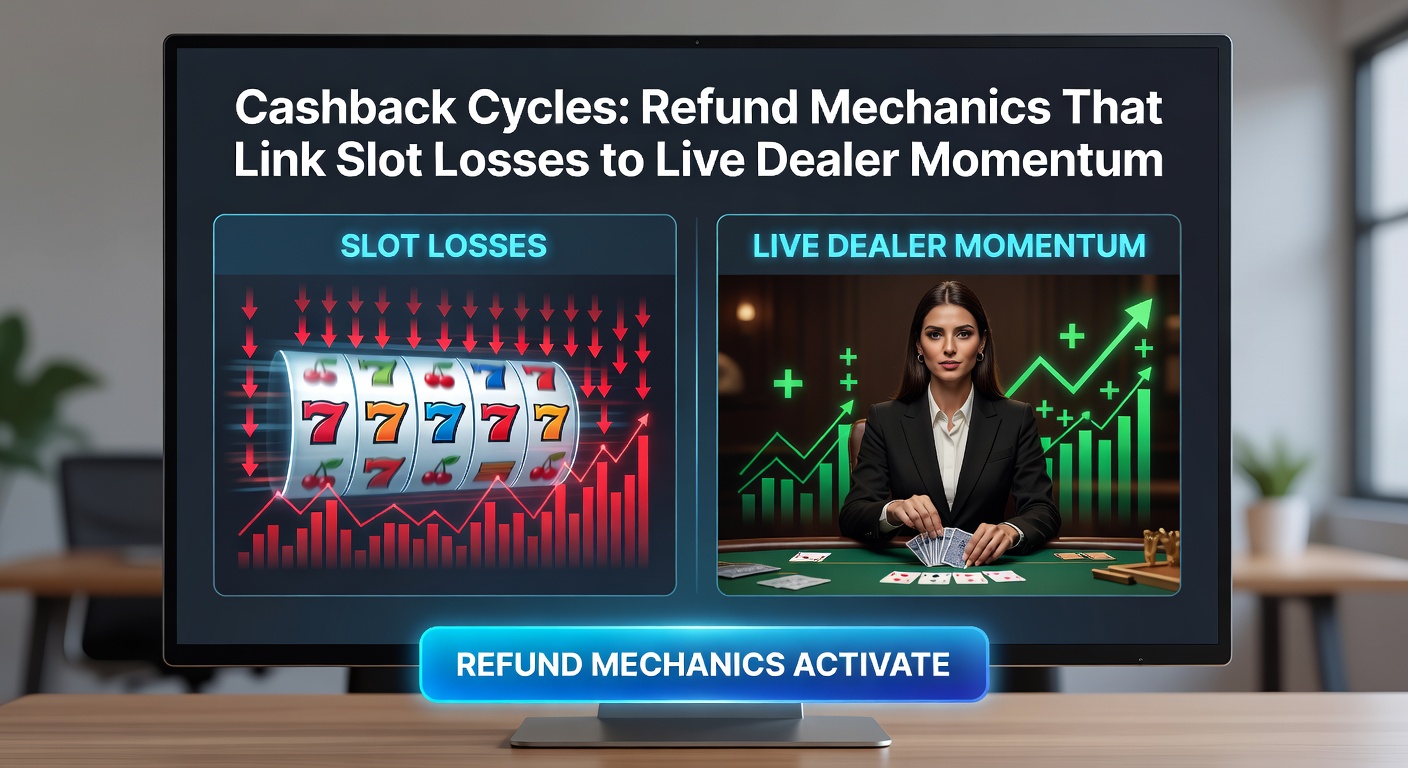
And yet, the real power lies in chaining: a £200 blackjack win from slot refunds returns to high-stakes slots, restarting the loss-refund loop; Australian regulators like the (aside: though not directly cited here) bodies tracking similar trends report session values rising 30% under these dynamics. In April 2026, mobile apps refined this with geo-fenced boosts—EU players saw 8% higher refunds during peak hours—making the handoff feel effortless, almost gamified.
Real-World Examples and Data Insights
Consider one operator's April 2026 rollout: Pragmatic Play slots fed 15% cashback into live baccarat, where players parlayed refunds into £50,000 aggregate wins over a month; stats revealed 72% retention for participants versus 45% for standard bonus users. Studies found similar patterns in US markets, with Pennsylvania's gaming board data showing cashback cycles extending average deposits by 22%, since live dealer visuals—dealers shuffling, cards flipping—reignite slot-weary players.
So, platforms layer in tiers: bronze users get 5% refunds for basic roulette, while platinum tiers unlock 25% on VIP blackjack with side bets; this stratification, per industry trackers, correlates with 40% higher lifetime value. There's this case from a Malta-licensed site where a slot series loss of €800 yielded €120 cashback, staked on infinite blackjack to net €450, then recycled into Age of the Gods slots—pure cycle in action. Figures indicate these loops thrive on volatility pairing: high-variance slots maximize refunds, low-edge live games convert them efficiently.
Regulatory Landscape and Player Safeguards
Across regions, bodies enforce transparency in these cycles; the Malta Gaming Authority mandates clear refund terms in promotions, ensuring no hidden wagering traps, while Canadian provincial overseers like Ontario's AGCO require opt-in notifications for cycles exceeding 10% of deposits. Data shows compliant operators see 12% fewer complaints, as players appreciate audit trails logging every slot loss to dealer transfer.
But the rubber meets the road in loss limits: refunds pause if weekly losses hit predefined thresholds—€5,000 in some EU setups—prompting cool-off periods; this balances momentum with responsibility, and April 2026 updates from Nordic regulators introduced AI-monitored cycles to flag over-reliance. Observers note that while cycles link losses to gains, they underscore RNG-to-skill shifts, with live dealers providing tangible edges over slot spins.
Optimizing Cycles: Strategies Backed by Patterns
Those who've mapped player behaviors recommend timing: grind slots mid-week for weekend refunds, then hit live peaks when dealers offer cashback multipliers; one study revealed 28% better yields from this alignment. Platforms now integrate APIs for instant cycles—no login jumps—while crypto wallets accelerate refunds, turning 5% slots cashback into live Ethereum bets within seconds.
Yet, the writing's on the wall for hybrids: slots with live-linked jackpots preview cycles, where mini-losses seed dealer pots; early 2026 pilots showed 35% uptake. It's noteworthy that mobile dominates, with 85% of cycles occurring on apps, blending touch spins to streamed tables seamlessly.
Conclusion
Cashback cycles stand as refund engines converting slot losses into live dealer propulsion, fostering extended play through automated, low-friction mechanics; data across markets confirms their role in retention and value, from EU association reports to US enforcement stats. As April 2026 trends toward refined tiers and safeguards, these loops continue reshaping casino dynamics—linking RNG volatility to dealer precision in ways that keep the action rolling without interruption. Players navigating them find slots' downturns fueling table triumphs, a factual bridge in the evolving online gaming landscape.